

This started as Thursday’s a different sober post and kept growing—some stories need more room.
“Cricket Gardening” is really just a restorative pursuit—a bit of tending that feels perfectly suited to the serenity of cricket.
I was fortunate to loiter with some decent laikers over the years; pretty much all of them had different craic and tapping habits. For me it was manic early, then it tailed off if I managed to stay for long. The tap was strong-hand led, and I tended to stay in my half of the pitch.
Neil Harvey Fairbrother was a wanderer. Mainly a nervy starter, Harv would venture down to bumper length to do some indiscriminate tapping, often with his weak-hand. Actually, I think he was right-handed—batted left-handed—so strong-hand led. I never knew if he was trying to wind the quicks up, or if he just needed to be on the move. Also, Harv wasn’t nervy for long; he was a wonderful player and always had good craic at the mid-wicket meetings.
Mike Atherton was a serious type. He tapped, but the craic? Not much doing there, more steely eyes with the computer running in the background. There was a game at Durham, in between Test Matches, where we opened, and I was instructed to monitor his footwork; he had a habit of closing off and playing around his lead leg. It was basically a 12-over net session in the middle of a first-class game. I got out, and that was that.
Graham “Bumble” Lloyd did everything with minimum effort, mostly to maximum gain. He didn’t do much tapping; no, he was more a sweeper and duster. Old Trafford’s wickets in the nineties were hard, fast, and spun later in the game. There weren’t many who played spin better than Bumble—a short-leg’s worst nightmare.
I didn’t bat much with the guys down the sump — funny that! (Should explain: sump is a term we used for the lower-order.)
There was a game, though, against Warwickshire; it might have been 1988. I remember the game for several reasons; the standout was that Jack Simmons (Flat Jack) didn’t bowl a ball in the match, and because of this he basically chunered and cussed the whole game. No gardening from Jack. No craic. No watching, either—he was always on the dog ‘n bone.
We batted together in the second innings—the lead was 120-odd on a corrugated trampoline that was pissing through. Allan Donald was doing what he did when Jack arrived with a helmet but no grill.
“What’s going on?” Jack never watched the game.
“It’s up and down, he’s bowling f*cking quick, and he’s not happy,” I replied. Second slip dropped me the over before.
“Right then, what’s the lead?” Jack didn’t watch the game.
“Not sure,” I said, trying to sound cool. “Maybe 120-odd.”
“Reckon I should have a look at one?”
Jack loved a hook, but this was different gravy.
“I’d have a look at one first, Simmo.”
Three balls left in the over—meaning the most I could face was two—Donald went: channel, pegs, bumper. Now it should be said, Allan Donald was called “White Lightning” for good reason; and Simmo was nearly old enough to draw a pension. Jack left watchfully, blocked perfectly, then refused to have a look at one!
It’s comfortably the worst I’ve felt ever for another batter. Jack stood open; he didn’t move much, maybe a small shuffle back and across, bat raised, peelers on the rock, everything ready—except he was two yards behind it. This is when the nauseous feeling set in. The Reader had eyes for one spot. This wasn’t good.
Fortunately, sanity prevailed; a wind gust must have lifted the axis, and Jack nodded down. Impact landed on the top of his helmet, with the Reader then aeroplaning over the keeper’s head, before shortly cannoning into the opposite sight screen.
I turned to David Shepherd—the umpire—and said, “Did that clear the rope, Shep?”
“Hang on a minute, Speaky.”
I didn’t say, but thought, “I’m not going anywhere, Shep.”
So picture the scene: Allan Donald is mid-pitch, staring down Jack. Jack’s starting to realise how close he came to certain death. And now Shep is trying to determine if the ricochet crossed the rope.
“That’s f*cking six, it’s six,” Jack screamed.
Donald’s stare went to the next level.
“It’s f*cking six,” Jack maintained.
Shep was now between the bowler and the batter.
“It can’t be six, Jack, the ball f*cking bounced here, and after that you never saw it.”
Fair point, Shep. The result? Four leg-byes, and Jack got to make another phone call.
Simmo and I put a few on. We had a decent lead, and Wasim bowled them out—after getting chinned by Donald in the first innings. Oh, and Simmo didn’t bowl a ball in that innings either.
Funny game, cricket.
Nick
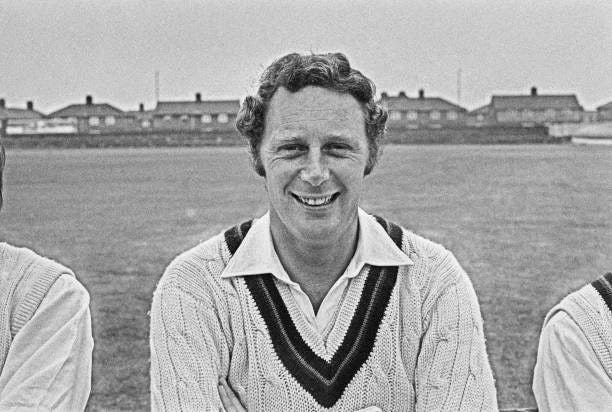
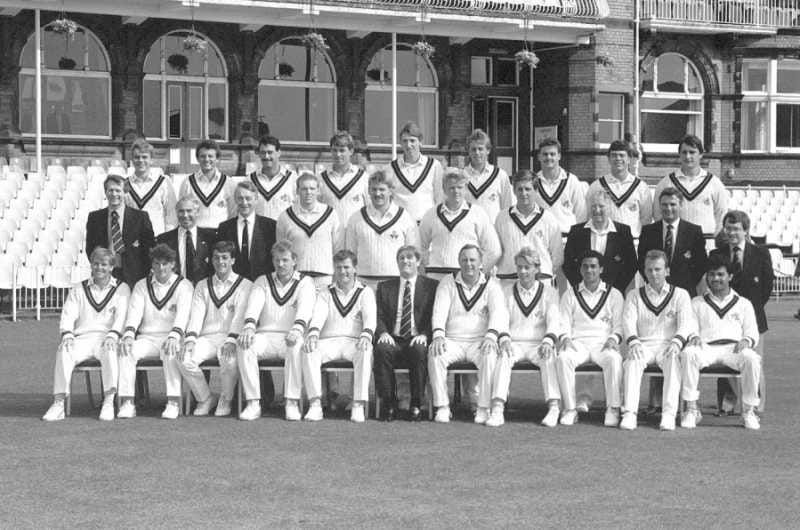
Great piece, Nick. I've shared it with several Tasmanian friends. I'm not sure about younger Tasmanians today, but those of us getting along in age (moi!), remember well and pay homage to Jack's contribution to Tasmanian cricket in the day. Especially what he did in 1979 when captaining Tasmania to its first one day title against Western Australia. This was the catalyst that helped Tasmania get accepted into the Sheffield Shield competition. Jack was 'King of Tasmania' after this effort.
Great yarn Nick. Thank you